Background
Thirteen dry years
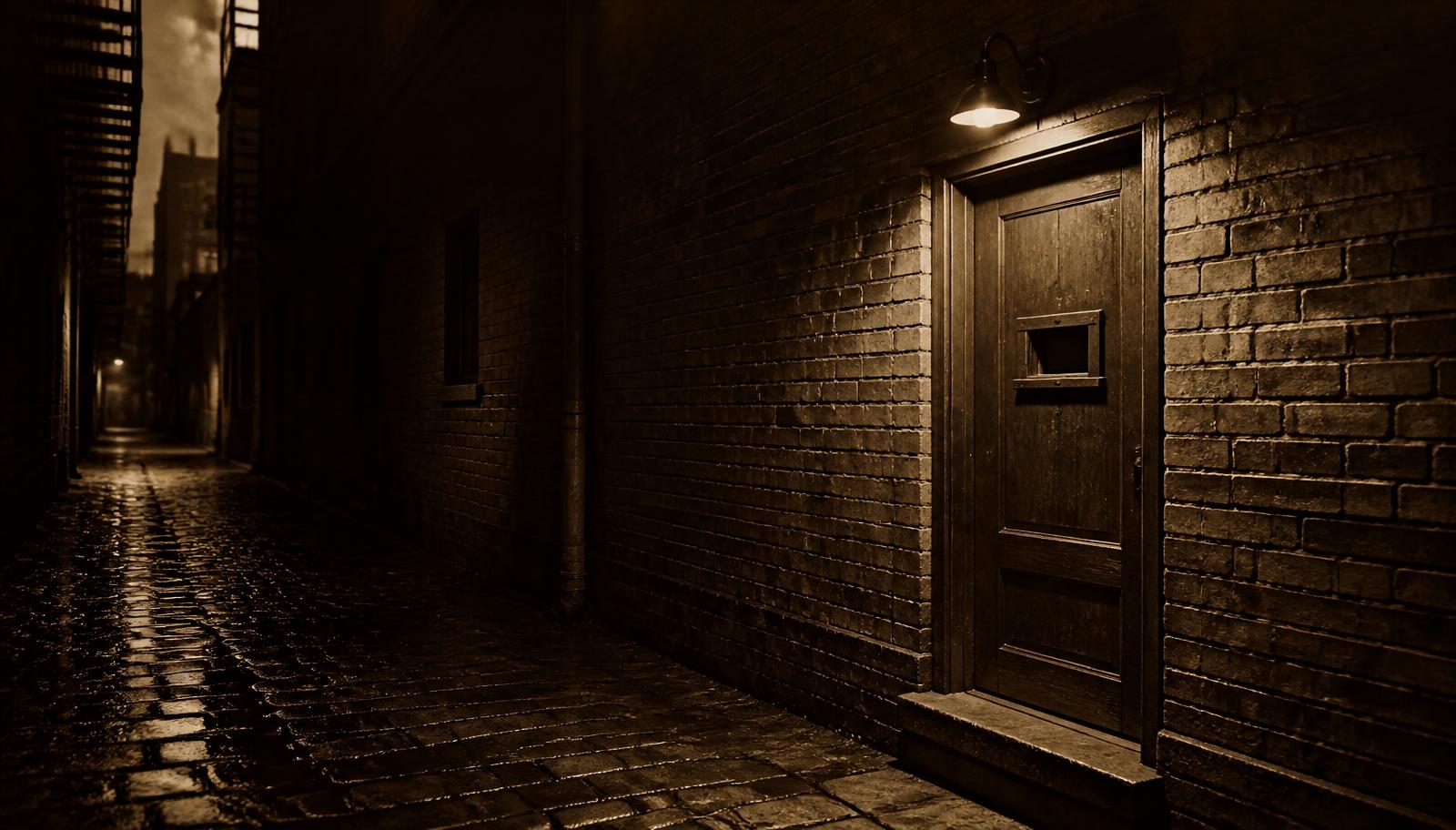
Prohibition did not stop Americans drinking. It moved the drinking behind a door, put a stranger in charge of who came through it, and taught bartenders to work quietly in small rooms. Every hidden-door bar you visit tonight is quoting that arrangement.
A short timeline
- 1917
The Eighteenth Amendment passes Congress. Distillers, brewers and saloon keepers are given a little over two years to find another line of work.
- 1920
The Volstead Act takes effect on January 17. Roughly 15,000 legal saloons in New York City become an estimated 32,000 illegal ones within a decade.
- 1923
Medicinal whiskey prescriptions boom. Pharmacies quietly become the country's most respectable liquor stores.
- 1926
Federally poisoned industrial alcohol kills thousands of drinkers. The phrase 'bathtub gin' stops being a joke.
- 1929
The crash removes the last economic argument for enforcement. Repeal becomes a jobs-and-taxes platform.
- 1933
The Twenty-first Amendment repeals Prohibition on December 5. The same year, Don the Beachcomber opens in Hollywood and invents tiki.
- Now
A few dozen rooms have poured continuously since the dry years. Hundreds more borrow the grammar: no sign, small door, low light, serious drink.
Glossary
- Speakeasy
- An illegal drinking room, named for the volume you were expected to use when asking to be let in.
- Blind pig
- A rougher, usually rural or working-class version of the same thing — often a back room with a plank for a bar.
- Blind tiger
- A dodge: the customer paid to see an 'exotic animal' and received a complimentary drink, keeping the sale technically legal.
- Bathtub gin
- Neutral spirit cut with water and juniper flavouring at home. Cheap, harsh, and the reason so many classic cocktails are heavily sweetened.
- Rum row
- The line of supply ships anchored just outside U.S. territorial waters, waiting for fast boats to run their cargo ashore.
- Rickhouse
- A barrel warehouse. Whiskey aged through the dry years in bonded rickhouses became extremely valuable at repeal.
- Bootlegger
- Originally a smuggler who hid flasks in a boot top; by 1925, anyone in the distribution chain.
- Needle beer
- Near-beer with alcohol injected back into the keg through a needle. Legal on paper, briefly, and awful.
House rules, then and now
- Keep your voice at the level of the room, not the level of your party.
- No photographs of other guests. Most rooms will ask; be the one who did not need to be asked.
- Small parties get in. Six people on a Saturday do not.
- If the host says twenty minutes, it is twenty minutes. Wait outside, not in the doorway.
- Tip on every round, in cash where you can.